The Ultimate Guide to Growing and Caring for Snake Plants

The Ultimate Guide to Growing and Caring for Snake Plants

Snake Plants (Dracaena trifasciata) are one of the easiest and most rewarding houseplants to grow. Their striking, upright leaves bring a modern aesthetic to any space, while their resilience makes them perfect for even the most forgetful plant owners.

Not only do they thrive in a variety of conditions, but they also purify the air, filtering out toxins and improving indoor air quality. While they’re low maintenance, a few simple care steps will help them thrive for years to come.


Top Three Rules Caring for Snake Plants

1. Water Wisely

Caring for Snake Plants : Snake Plants are drought-tolerant and highly susceptible to overwatering. Water only when the soil is completely dry, typically every two weeks, reducing this frequency in winter.

2. Keep Away from Pets and Children

These plants contain toxic compounds that can cause irritation if ingested. Keep them out of reach of curious pets and small children.

3. Choose the Right Soil

A well-draining, slightly sandy mix, such as a cactus or succulent potting blend, is ideal for healthy root growth and preventing rot.


Choosing the Right Snake Plant Variety

There are many striking Snake Plant cultivars to choose from:

  • ‘Black Coral’ – Deep green foliage with silver-grey stripes.
  • ‘Black Dragon’ – A compact variety with dark, glossy green leaves.
  • ‘Golden Flame’ – Features dramatic yellow-edged leaves.
  • ‘Hahnii’ (Bird’s Nest Snake Plant) – A small, rosette-shaped variety reaching about 20 cm (6-7 inches).
  • ‘Laurentii’ – Tall with prominent yellow leaf margins, reaching up to 60 cm (24 inches).
  • ‘Metallica’ – Silver-green leaves with subtle striping.
  • ‘Moonshine’ – Light green leaves with dark green margins, giving it a unique glow.

For a slightly different look, Dracaena cylindrica (African Spear Plant) offers cylindrical leaves that require a bit more frequent watering.


Best Growing Conditions for Snake Plants

1. Light Requirements

Snake Plants adapt well to a range of light conditions, from low light to bright, indirect sunlight. However, brighter conditions will enhance their leaf variegation. Keep them away from harsh, direct sun to avoid scorched leaves.

💡 Pro tip: Wipe leaves occasionally to remove dust and maximize light absorption.

2. Temperature & Humidity

They prefer temperatures above 10°C (50°F) and are highly tolerant of dry air, making them perfect for indoor spaces. Avoid placing them in cold drafts or prolonged exposure to freezing temperatures.

3. Feeding & Fertilization

Feed with a diluted houseplant fertilizer once a month during the growing season (spring and summer). No fertilization is needed in winter.


Propagating Your Snake Plant

The easiest way to propagate Snake Plants is by division:

  1. Gently remove the plant from its pot.
  2. Using a sharp, clean knife, cut away a leaf with part of its root.
  3. Plant it in a fresh, well-draining potting mix.
  4. Water sparingly and place it in a bright, indirect light spot to establish.

You can also propagate by leaf cuttings in water or soil, though this method takes longer.


Repotting Your Snake Plant

Snake Plants grow slowly but will eventually need a larger pot when roots outgrow the container. Signs it’s time to repot include roots pushing through drainage holes or the plant becoming top-heavy.

Steps to Repot:

✔ Select a pot 1-2 inches larger than the current one.
✔ Use a well-draining potting mix, such as a cactus or succulent blend.
✔ Spread the roots gently and place the plant in the new pot.
✔ Add soil around the base, pressing lightly to secure.
✔ Water sparingly and allow the plant to adjust to its new home.


Common Issues & How to Fix Them

1. Yellowing or Mushy Leaves

Cause: Overwatering and root rot.
Fix: Let the soil dry completely before watering again, and ensure the pot has drainage holes.

2. Wrinkled or Dry Leaves

Cause: Underwatering.
Fix: Water thoroughly, allowing excess water to drain out.

3. White Fuzzy Patches on Leaves

Cause: Mealybugs.
Fix: Wipe with a cotton swab dipped in alcohol and use an insecticide if necessary.

4. Brown or Red Spots on Leaves

Cause: Fungal infections or red leaf spot.
Fix: Improve air circulation, remove affected leaves, and apply a fungicide.

5. Jagged Edges on Leaves

Cause: Vine weevils feeding on the plant.
Fix: Remove pests manually and use an insecticide if needed.

Pest Control Services in Jaipur – Keep Your Home & Business Pest-Free

Pest Control Services in Jaipur – Keep Your Home & Business Pest-Free

Pest Control Services in Jaipur Are you struggling with pest infestations at home or in your office? Whether it’s termites, cockroaches, rodents, bed bugs, or mosquitoes, professional pest control services in Jaipur can help you eliminate these unwanted guests and ensure a hygienic environment.

Why Pest Control is Essential?

  1. Protects Health – Pests carry harmful diseases and allergens.
  2. Prevents Property Damage – Termites and rodents can cause structural damage.
  3. Ensures Hygiene – Keeps food, furniture, and surroundings clean.
  4. Enhances Comfort – Get rid of irritation caused by pests like bed bugs and mosquitoes.
  5. Complies with Regulations – Necessary for businesses, restaurants, and hospitals to maintain hygiene standards.

Types of Pest Control Services in Jaipur

1. Residential Pest Control

  • Home pest inspection and treatment.
  • Protection from cockroaches, ants, spiders, and termites.
  • Safe and eco-friendly methods for families and pets.

2. Commercial Pest Control

  • Pest control solutions for offices, restaurants, hotels, and warehouses.
  • Preventive pest control maintenance plans.
  • Ensures compliance with hygiene and safety standards.

3. Termite Control

  • Pre-construction and post-construction termite treatment.
  • Chemical and non-toxic solutions available.
  • Long-term termite prevention plans.

4. Bed Bug Treatment

  • Heat treatment and chemical treatment options.
  • Effective solutions for homes and hotels.
  • Complete bed bug eradication with follow-up services.

5. Rodent & Mosquito Control

  • Traps, baits, and fumigation for rodent control.
  • Fogging and larvicide treatment for mosquito control.

How to Choose the Best Pest Control Service in Jaipur?

  1. Certified & Licensed Companies – Ensure they follow safety regulations.
  2. Eco-Friendly Solutions – Choose services that use safe and non-toxic treatments.
  3. Experienced Technicians – Look for well-trained professionals.
  4. Affordable Pricing – Compare rates and choose the best service within your budget.
  5. Customer Reviews – Check testimonials and feedback from past clients.

Why Choose Our Pest Control Services in Jaipur?

  • 100% Guaranteed Results with long-lasting pest removal.
  • Safe & Environment-Friendly Treatments to protect your family and pets.
  • Affordable Packages with customized pest control plans.
  • Experienced Technicians with advanced pest management solutions.
  • 24/7 Customer Support to assist you anytime.

Get Rid of Pests Today!

If you’re facing pest problems, don’t wait! Contact professional pest control services in Jaipur today and enjoy a pest-free environment.

Best Summer Indoor and Outdoor Plants for Your Garden

Best Summer Indoor and Outdoor Plants for Your Garden

Best Summer Indoor and Outdoor Plants for Your Garden :Summer brings warmth, sunshine, and longer days, making it the perfect time to cultivate a vibrant garden. Whether you have a small indoor space or a sprawling outdoor area, choosing the right plants can help keep your garden lush and thriving. Here’s a guide to the best summer plants for both indoor and outdoor settings.

Best Indoor Plants for Summer

1. Aloe Vera

Aloe Vera is a hardy succulent that thrives in bright, indirect sunlight. It requires minimal watering and is known for its medicinal properties, making it a perfect indoor companion during summer.

2. Snake Plant (Sansevieria)

This plant is ideal for summer as it can tolerate high temperatures and low humidity. It also purifies the air, making it an excellent choice for indoor spaces.

3. Spider Plant (Chlorophytum comosum)

Spider plants are resilient and can withstand warm conditions while improving air quality. They require moderate watering and indirect sunlight.

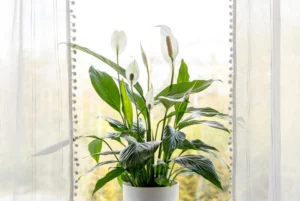
4. Peace Lily (Spathiphyllum)

With its ability to thrive in low-light conditions, the peace lily is a great summer plant. It also helps maintain humidity levels indoors and absorbs harmful toxins.

5. Rubber Plant (Ficus elastica)

A popular indoor plant, the rubber plant thrives in warm weather and can tolerate indirect sunlight. It adds a touch of greenery while being low-maintenance.

Best Outdoor Plants for Summer

1. Marigolds

Marigolds are bright and cheerful flowers that flourish in full sunlight. They are easy to grow and help repel pests, making them an excellent choice for summer gardens.

2. Sunflowers

Known for their striking appearance, sunflowers love the sun and require minimal care. They also attract pollinators, enhancing the health of your garden.

3. Lavender

Lavender thrives in hot, dry conditions and adds a delightful fragrance to your outdoor space. It is also known for its calming properties and attracts beneficial insects like bees and butterflies.

4. Zinnias

Zinnias are colorful, low-maintenance flowers that bloom all summer long. They grow well in warm climates and require little watering once established.

5. Tomatoes

If you’re interested in edible gardening, tomatoes are a great summer plant. They need plenty of sunlight and regular watering but reward you with fresh, homegrown produce.

Tips for Maintaining Plants During Summer

  • Watering: Water early in the morning or late in the evening to prevent evaporation.
  • Mulching: Apply mulch around plants to retain moisture and keep roots cool.
  • Shade Protection: Use shade cloth or move potted plants indoors during extreme heat.
  • Fertilization: Feed plants with organic fertilizers to promote growth and resilience.
  • Pest Control: Keep an eye out for common pests and use natural remedies to prevent infestations.

With the right selection of plants, your indoor and outdoor garden can flourish even in the peak of summer. Choose wisely and enjoy a lush, green space all season long!

Grading Service at best price in jaipur

Grading Service at best price in jaipur : Ensuring Quality and Value

Grading Service at best price in jaipur In today’s competitive market, finding a grading service that combines accuracy, speed, and affordability can be a daunting task. Whether you’re in the educational sector, dealing with collectibles, or managing a construction project, the need for precise and timely grading services is paramount. Here, we explore the key features of a top-notch grading service offered at the best price, ensuring you receive both quality and value.

Comprehensive and Accurate Assessment

A reliable grading service starts with a comprehensive and accurate assessment process. This involves:

  • Expert Evaluators: Professionals with extensive experience and expertise in the field conduct thorough evaluations, ensuring every detail is meticulously examined.
  • Advanced Technology: Utilization of the latest technology and tools for precise measurements and assessments, reducing the margin of error.
  • Detailed Reports: Providing clear, detailed reports that highlight strengths, areas for improvement, and overall grade or condition.

Fast Turnaround Time

In many industries, time is of the essence. A top grading service offers:

  • Efficient Processes: Streamlined processes that ensure quick turnaround times without compromising on quality.
  • Prioritized Services: Options for expedited services to meet urgent deadlines.
  • Consistent Updates: Regular updates on the progress of the grading process, keeping you informed every step of the way.

Competitive Pricing

Affordability is a key consideration for many. A grading service that offers the best price typically includes:

  • Transparent Pricing: Clear, upfront pricing with no hidden fees, allowing you to budget effectively.
  • Value Packages: Bundled services or packages that offer additional savings for bulk grading or regular services.
  • Flexible Plans: Various pricing plans that cater to different needs and budgets, ensuring accessibility for all clients.

Exceptional Customer Support

Customer support is a cornerstone of a great grading service. Look for:

  • Responsive Communication: Easy access to support teams who are ready to assist with queries and concerns promptly.
  • Personalized Service: Tailored support that addresses your specific needs and ensures a smooth experience.
  • Educational Resources: Providing resources and guidance to help you understand the grading process and make informed decisions.

Reliability and Trustworthiness

Trust is crucial when it comes to grading services. The best providers are known for their:

  • Consistency: Delivering reliable and consistent results every time.
  • Reputation: Building a strong reputation through positive reviews and testimonials from satisfied clients.
  • Accreditations: Holding relevant accreditations and certifications that underscore their commitment to quality and standards.

Versatility and Range of Services

A versatile grading service can cater to various needs, including:

  • Educational Grading: Accurate grading of academic work, providing valuable feedback to students and educators.
  • Collectibles and Antiques: Assessing the condition and value of collectibles, antiques, and other valuable items.
  • Construction and Land Grading: Ensuring proper land grading and site preparation for construction projects.

Lawn Care Services in jaipur

Lawn Care Services in jaipur : Keeping Your Yard Beautiful and Healthy

Lawn Care Services in jaipur Maintaining a lush, green lawn is an essential aspect of homeownership and property management. A well-cared-for lawn not only enhances the aesthetic appeal of your home but also contributes to the overall health of your environment. At LEFZO , we offer comprehensive lawn care services tailored to meet your specific needs. From routine maintenance to specialized treatments, our team of experts is dedicated to helping you achieve the perfect lawn.

Our Services

  1. Lawn Mowing and Edging
    Regular mowing is crucial for maintaining a neat and healthy lawn. Our team uses top-of-the-line equipment to ensure an even cut, promoting dense grass growth. We also provide precise edging to give your lawn a clean and polished appearance.
  2. Fertilization and Weed Control
    To keep your lawn vibrant and free from weeds, we offer customized fertilization programs. Our experts assess your lawn’s specific needs and apply the right nutrients at the optimal times of the year. We also provide effective weed control treatments to prevent unwanted plants from taking over your lawn.
  3. Aeration and Overseeding
    Compacted soil can prevent grass roots from accessing essential nutrients and water. Our aeration service involves perforating the soil to allow air, water, and nutrients to penetrate deeper. Paired with overseeding, this process helps thicken your lawn and fill in bare spots.
  4. Pest and Disease Management
    Pests and diseases can wreak havoc on your lawn if left unchecked. Our team is skilled in identifying and treating various lawn pests and diseases. We use safe and effective treatments to protect your lawn from damage and ensure it remains healthy year-round.
  5. Soil Testing and pH Balancing
    Understanding the condition of your soil is key to maintaining a healthy lawn. We offer soil testing services to determine nutrient levels and pH balance. Based on the results, we provide recommendations and treatments to optimize soil health.
  6. Seasonal Clean-Ups
    Seasonal changes can leave your lawn covered in debris, leaves, and other materials. Our seasonal clean-up services ensure your yard is ready for each new season, keeping it looking neat and tidy.
  7. Landscape Design and Installation
    Beyond basic lawn care, we also offer landscape design and installation services. Whether you’re looking to create a new garden bed, install a retaining wall, or redesign your outdoor space, our team can bring your vision to life.

Why Choose Us?

  • Expertise and Experience: Our team of lawn care professionals has years of experience in the industry. We stay updated on the latest techniques and products to provide the best care for your lawn.
  • Customized Solutions: We understand that every lawn is unique. That’s why we offer personalized lawn care plans tailored to your specific needs and preferences.
  • Eco-Friendly Practices: We prioritize environmentally friendly practices, using organic and sustainable products whenever possible.
  • Satisfaction Guarantee: Your satisfaction is our top priority. We stand behind our work and are committed to delivering exceptional results.

Garden design ideas to make the best of your outdoor space

Garden Design Ideas to Make the Best of Your Outdoor Space

Transforming your outdoor space into a beautiful and functional garden can significantly enhance your home’s appeal and provide a serene retreat for relaxation and entertainment. Here are some garden design ideas to help you make the most of your outdoor space:

1. Define Your Space with Borders and Pathways

Creating defined areas within your garden can give it structure and a sense of organization. Use borders made from natural materials like stone, wood, or metal to delineate flower beds, vegetable patches, or seating areas. Pathways made from gravel, stepping stones, or brick pavers can guide visitors through your garden and add visual interest.

2. Incorporate Vertical Elements

Vertical gardening is an excellent solution for small spaces or for adding height and dimension to your garden. Install trellises, arbors, or pergolas to support climbing plants such as roses, clematis, or ivy. You can also use vertical planters or wall-mounted pots to grow herbs, flowers, or even vegetables.

3. Create Cozy Seating Areas

Designate a spot in your garden for relaxation and socializing. Comfortable seating, such as benches, hammocks, or outdoor sofas, can make your garden an inviting place to unwind. Consider placing your seating area under a pergola or a large umbrella to provide shade and shelter.

4. Use Water Features for Tranquility

Incorporating a water feature can add a soothing element to your garden. Options range from simple birdbaths and small fountains to elaborate ponds and waterfalls. The sound of running water can create a peaceful atmosphere and attract wildlife to your garden.

5. Plant for All Seasons

Choose a variety of plants that offer year-round interest to ensure your garden remains vibrant and appealing throughout the seasons. Mix evergreen shrubs with flowering perennials, annuals, and bulbs. Consider plants with interesting foliage, such as hostas or ferns, and those that provide winter interest, like hellebores or ornamental grasses.

6. Add Outdoor Lighting

Proper lighting can extend the usability of your garden into the evening and highlight its best features. Use solar-powered or low-voltage LED lights to illuminate pathways, highlight focal points like sculptures or trees, and create a warm ambiance in seating areas.

7. Create Functional Zones

Design your garden to accommodate different activities and functions. For example, you might have a dining area with a table and chairs, a play area for children with a swing set or sandbox, and a quiet reading nook with a comfortable chair and a small table.

8. Grow Your Own Produce

Incorporate edible plants into your garden design to enjoy fresh fruits, vegetables, and herbs. Raised beds, containers, or traditional garden plots can be used to grow a variety of crops. Not only will this provide you with fresh produce, but it can also add beauty and fragrance to your garden.

9. Use Containers for Flexibility

Container gardening allows you to easily change the look of your garden by rearranging pots and planters. This is especially useful for small spaces or for gardeners who like to experiment with different plant combinations. Choose a variety of containers in different sizes, shapes, and materials to add visual interest.

10. Incorporate Artistic Elements

Add personality and charm to your garden with artistic elements such as sculptures, mosaics, or garden ornaments. These can serve as focal points, add color and texture, and reflect your personal style. Be creative and choose pieces that complement the overall theme of your garden.

11. Consider Wildlife-Friendly Features

Attracting birds, butterflies, and other wildlife can make your garden more lively and enjoyable. Plant native species, provide water sources, and include bird feeders or nesting boxes. Avoid using pesticides to create a safe and welcoming environment for beneficial insects and animals.

12. Create a Sustainable Garden

Adopt eco-friendly gardening practices to create a sustainable and low-maintenance garden. Use rain barrels to collect and reuse water, compost organic waste, and choose drought-tolerant plants to reduce water usage. Mulching can help retain soil moisture and suppress weeds.

By incorporating these garden design ideas, you can transform your outdoor space into a beautiful and functional oasis that reflects your personal style and meets your needs. Whether you have a small urban courtyard or a sprawling rural backyard, thoughtful design and careful planning can help you make the best of your outdoor space.

Flowering Plants

Characteristics of Flowering Plants

Flowering plants, known scientifically as angiosperms, represent the most diverse group within the plant kingdom. With over 300,000 species

  1. Flowers: The most recognizable feature, flowers serve as the reproductive organs. They typically consist of four main parts: sepals, petals, stamens (male organs), and carpels (female organs).
  2. Leaves: Varying in shape, size, and arrangement, leaves are crucial for photosynthesis. They are typically broad and flat to maximize light absorption.
  3. Stems: Stems provide structural support and transport water, nutrients, and sugars between roots and leaves. They can be herbaceous or woody.
  4. Roots: Roots anchor the plant and absorb water and nutrients from the soil. They can be taproots, fibrous roots, or adventitious roots.

Classification

Flowering plants are divided into two major groups:

  1. Monocots: Characterized by a single cotyledon (seed leaf), parallel leaf venation, and flower parts typically in multiples of three. Examples include grasses, lilies, and orchids.
  2. Dicots: Have two cotyledons, net-like leaf venation, and flower parts usually in multiples of four or five. Examples include roses, sunflowers, and oaks.

Reproduction

Flowering plants reproduce through a process called pollination, where pollen from the anthers (male part) is transferred to the stigma (female part). Pollination can be biotic (involving living agents like insects, birds, and bats) or abiotic (wind or water). After fertilization, the ovule develops into a seed, and the surrounding ovary becomes the fruit.

Importance

  1. Ecological Role: Flowering plants are primary producers in most ecosystems, forming the base of the food web. They provide habitat and food for a multitude of organisms.
  2. Economic Value: Many flowering plants are crucial for agriculture, horticulture, and forestry. They provide food, medicine, timber, and ornamental value.
  3. Aesthetic and Cultural Significance: Flowers have deep cultural and symbolic meanings in various societies and are used in ceremonies, decorations, and as symbols of beauty and love.

Adaptations

Flowering plants exhibit a range of adaptations to survive in diverse environments. For instance, cacti have modified leaves (spines) to reduce water loss in deserts, while aquatic plants like water lilies have broad leaves to float on water surfaces and maximize sunlight capture.

Conservation

Despite their abundance, many flowering plant species face threats from habitat destruction, climate change, pollution, and over-exploitation. Conservation efforts are essential to preserve biodiversity, which is vital for ecosystem stability and resilience.

Can Indoor Plants In Bedroom Make you Feel Suffocated

Can Indoor Plants in the Bedroom Make You Feel Suffocated?

Indoor plants are popular for their aesthetic appeal and their ability to purify air and improve indoor environments. However, a common concern among people is whether having plants in the bedroom can make you feel suffocated. Let’s explore this topic in detail.

The Science Behind Plants and Oxygen

Plants undergo two main processes: photosynthesis and respiration.

  1. Photosynthesis: During the day, plants take in carbon dioxide (CO2) and release oxygen (O2) through photosynthesis, benefiting the surrounding air quality.
  2. Respiration: At night, plants switch to respiration, where they take in oxygen and release carbon dioxide, similar to humans and animals.

This night-time oxygen consumption leads to the concern that plants might deplete the oxygen levels in a bedroom, causing suffocation.

Oxygen Consumption by Plants

The amount of oxygen that plants consume at night is minimal compared to the total oxygen available in a typical room. Studies and scientific evidence suggest that the oxygen consumption by indoor plants is negligible and does not pose any risk of suffocation. For example, a medium-sized plant releases and consumes much less oxygen than a single human would while sleeping.

Benefits of Indoor Plants in the Bedroom

  1. Improved Air Quality: Certain plants are known to purify air by removing toxins and pollutants. Examples include the snake plant, peace lily, and spider plant.
  2. Increased Humidity: Plants release moisture through transpiration, which can help maintain humidity levels, particularly in dry environments.
  3. Stress Reduction: The presence of greenery has been shown to reduce stress and promote a sense of well-being.
  4. Better Sleep: Some plants, like lavender and jasmine, emit soothing scents that can promote relaxation and improve sleep quality.

Potential Concerns

While the suffocation concern is largely unfounded, there are other factors to consider when placing plants in your bedroom:

  1. Allergies: Some people might be allergic to certain plants or their pollen. It’s essential to choose hypoallergenic plants if you have sensitivities.
  2. Mold and Mildew: Overwatering plants can lead to mold growth, which could affect indoor air quality. Proper plant care and maintenance are crucial.
  3. Maintenance: Plants require care, including watering, pruning, and ensuring they receive adequate light, which might be challenging in low-light bedroom conditions.

How to Grow an Aloe Vera Plant

How to Grow an Aloe Vera Plant

How to Grow an Aloe Vera Plant is a rewarding experience. This hardy succulent not only beautifies your home but also provides a natural remedy for various skin conditions. Here are some detailed steps and tips on how to grow and care for an Aloe Vera plant:

1. Choosing the Right Aloe Vera Plant

  • Selecting a Healthy Plant: Start with a healthy, vibrant Aloe Vera plant from a nursery or garden center. Look for thick, fleshy leaves and avoid plants with brown or yellow spots.
  • Variety Selection: There are several Aloe species, but Aloe Vera (Aloe barbadensis miller) is the most popular for its medicinal properties.

2. Planting Aloe Vera

  • Container Selection: Choose a pot with drainage holes to prevent waterlogging. A terracotta pot is ideal as it allows the soil to dry out more easily than plastic.
  • Soil Requirements: Use a well-draining succulent or cactus potting mix. You can also make your own by mixing equal parts sand, gravel, and standard potting soil.
  • Planting Process:
    • Fill the pot with soil, leaving enough space for the root ball.
    • Place the Aloe Vera plant in the center, covering the roots with soil but keeping the base of the leaves above the soil line.
    • Firm the soil gently around the plant.

3. Watering Aloe Vera

  • Watering Schedule: Aloe Vera plants are drought-tolerant and require minimal watering. Water deeply but infrequently. Allow the soil to dry out completely between waterings.
  • Watering Method: Water the plant at the base, avoiding the leaves. Excess water on the leaves can cause rot.

4. Light and Temperature

  • Light Requirements: Aloe Vera plants need plenty of bright, indirect sunlight. They can tolerate some direct sunlight but too much can scorch the leaves.
  • Temperature: Aloe Vera thrives in temperatures between 55°F and 80°F (13°C – 27°C). Protect the plant from frost during winter.

5. Fertilizing Aloe Vera

  • Fertilizer Type: Use a balanced, water-soluble fertilizer diluted to half strength.
  • Fertilizing Schedule: Feed the plant once a year in the spring.

6. Pruning and Maintenance

  • Removing Dead Leaves: Trim off any dead or damaged leaves at the base with a sharp, clean knife.
  • Repotting: Repot your Aloe Vera plant every 2-3 years to refresh the soil and provide more room for growth. Choose a pot slightly larger than the current one.

7. Propagating Aloe Vera

  • Offsets (Pups): Aloe Vera produces offsets, or pups, which can be separated and planted individually.
  • Propagation Process:
    • Remove the pups from the mother plant with a sharp knife.
    • Allow the pups to dry for a few days to form a callous over the cut surface.
    • Plant the pups in a pot with well-draining soil and water sparingly until they establish roots.

8. Common Problems and Solutions

  • Overwatering: Yellowing, mushy leaves indicate overwatering. Let the soil dry out completely and reduce watering frequency.
  • Underwatering: Brown, crispy leaf tips suggest underwatering. Increase watering slightly, ensuring the soil is dry between waterings.
  • Pests: Watch for common pests like aphids, mealybugs, and spider mites. Treat infestations with insecticidal soap or neem oil.

9. Harvesting Aloe Vera

  • Using Aloe Vera Gel: Harvest the gel from the outer, mature leaves. Cut the leaf close to the base, drain the yellow latex, and extract the clear gel.
  • Storing Aloe Vera Gel: Store the gel in an airtight container in the refrigerator for up to a week or freeze for longer shelf life.

By following these guidelines, you can successfully grow and maintain a healthy Aloe Vera plant, enjoying both its aesthetic and medicinal benefits.