10 Best Flowering Plants for Your Pollinator Garden

10 Best Flowering Plants for Your Pollinator Garden

Creating a pollinator-friendly garden is one of the best ways to support nature while adding vibrant beauty to your outdoor space. Bees, butterflies, hummingbirds, and other pollinators rely on nectar- and pollen-rich plants for survival, and in return, they help your plants thrive. If you want to transform your garden into a buzzing paradise, here are 10 of the best flowering plants you can grow.


1. Lavender

Lavender is loved not only for its calming fragrance but also for its nectar-rich blooms. Bees and butterflies flock to its purple flowers, and it thrives in sunny, well-drained spots.

2. Coneflower (Echinacea)

This hardy perennial adds cheerful color and attracts butterflies, bees, and even birds. Coneflowers are drought-tolerant and bloom from summer to fall, making them a long-lasting choice.

3. Sunflowers

Bright and bold, sunflowers are a magnet for bees and birds. Their large blooms provide both nectar and seeds, making them a dual-purpose plant for pollinators and wildlife.

4. Bee Balm (Monarda)

As its name suggests, bee balm is a pollinator favorite. Its vibrant red, pink, or purple blooms attract bees, hummingbirds, and butterflies while also adding fragrance to your garden.

5. Zinnias

Zinnias are easy to grow from seed and bloom in a variety of colors. These annuals are loved by butterflies and make a bright, cheerful addition to beds and borders.

6. Milkweed

Milkweed is essential for monarch butterflies, serving as both a nectar source and a host plant for caterpillars. It’s a must-have if you want to support butterfly conservation.

7. Black-eyed Susan (Rudbeckia)

With their sunny yellow petals, black-eyed Susans are not only attractive but also hardy and low-maintenance. They provide nectar for bees and butterflies throughout the summer.

8. Salvia

Salvia’s tall spikes of purple, blue, or red flowers are a magnet for hummingbirds and bees. They thrive in warm weather and add a striking vertical element to garden designs.

9. Marigolds

These cheerful flowers do double duty—they attract pollinators while helping to repel certain garden pests. Their bright orange and yellow blooms are easy to care for and bloom all season.

10. Cosmos

Cosmos produce delicate, daisy-like blooms in shades of pink, white, and purple. They’re a favorite of bees and butterflies and are simple to grow from seed, even in poor soil.


🌸 Tips for Creating a Pollinator Garden

  • Plant a variety of flowers that bloom at different times to provide food year-round.

  • Choose native plants whenever possible, as local pollinators recognize and thrive on them.

  • Avoid chemical pesticides and herbicides that can harm pollinators.

  • Add a water source like a shallow dish with pebbles for bees and butterflies to drink safely.


By planting these 10 flowering plants, you’ll create a vibrant pollinator garden that not only looks stunning but also supports the environment. A little effort goes a long way in helping bees, butterflies, and hummingbirds thrive! 🌼🐝🦋
Best Fruit Plants You Can Grow at Home

Best Fruit Plants You Can Grow at Home

Growing your own fruit plants at home is a wonderful way to enjoy fresh, organic, and chemical-free produce straight from your garden. Whether you have a spacious backyard or a small balcony, many fruit plants can thrive in pots, containers, or soil beds. Homegrown fruits not only taste better but also add greenery, fragrance, and charm to your surroundings.

If you are planning to set up a small fruit garden, here are some of the best fruit plants you can grow at home:


1. Mango (King of Fruits)

Mango is a favorite in almost every Indian household. Dwarf mango varieties can be easily grown in large pots or in small backyards. With proper sunlight and watering, you can enjoy the sweet taste of homegrown mangoes during summer.


2. Guava (Amrud)

Guava is one of the easiest fruit plants to grow at home. It requires little maintenance and produces highly nutritious fruits rich in Vitamin C. Guava trees grow well in pots and soil, making them ideal for home gardens.


3. Banana

Banana plants are perfect for tropical and subtropical climates. They don’t take up much space and can thrive in pots or small corners of your garden. Apart from fruits, their large green leaves also add beauty to your home garden.


4. Papaya

Papaya grows quickly and bears fruit within a year. It is a low-maintenance plant that thrives in sunny spots. Rich in vitamins, minerals, and digestive enzymes, papaya is a healthy addition to your daily diet.


5. Pomegranate (Anar)

Pomegranate plants are hardy, drought-tolerant, and perfect for container gardening. The fruits are loaded with antioxidants and vitamins, making them a healthy choice. Plus, the plant looks beautiful with its bright red flowers and fruits.


6. Lemon

Every home garden deserves a lemon plant. Lemons are easy to grow, highly productive, and useful for multiple purposes in the kitchen. They grow well in pots, require sunlight, and add freshness to your garden.


7. Grapes

If you have a little extra space or a terrace garden, grapes are a fantastic option. With proper care and support, grapevines can yield juicy bunches. They also create a natural green shade, making your garden more appealing.


8. Chikoo (Sapota)

Chikoo is a sweet and delicious fruit loved by kids and adults alike. The plant adapts well to Indian climates and requires minimal care. Growing chikoo at home ensures a steady supply of fresh and tasty fruits.


9. Apple (For Cold Regions)

If you live in colder regions, apple plants are a great choice. Dwarf apple varieties can even be grown in pots. Fresh, crunchy apples from your own garden are always a delight!


Tips for Growing Fruit Plants at Home

  • Choose dwarf or hybrid varieties if you have limited space.

  • Ensure your plants get at least 5–6 hours of sunlight daily.

  • Use organic compost and fertilizers for healthy growth.

  • Regular watering is important but avoid overwatering.

  • Prune your plants to maintain shape and increase yield.

Plant Nursery near by me

Plant Nursery Near Me – Find the Perfect Green Space for Your Home

Are you searching for a plant nursery near you to bring home fresh greenery and beautiful plants? A local nursery is the best place to explore a wide variety of indoor plants, outdoor plants, flowering plants, fruit trees, and garden essentials. Whether you are a gardening enthusiast or just starting your green journey, visiting a nearby plant nursery can inspire you to create a healthier and more vibrant living space.

Why Choose a Plant Nursery Nearby?

  1. Fresh & Healthy Plants – Local nurseries usually offer plants that are well-adapted to the climate and environment in your area.

  2. Expert Guidance – Nursery staff can guide you in choosing the right plants for your home, balcony, or garden.

  3. Wide Variety – From ornamental plants, medicinal herbs, to fruit-bearing trees, you can explore a wide collection in one place.

  4. Affordable Pricing – Buying directly from a nursery often means better prices compared to online stores.

  5. Personal Experience – You can see, touch, and select the exact plant you love.

What You Can Find at a Nearby Plant Nursery

  • Indoor Plants: Money Plant, Snake Plant, Areca Palm, Peace Lily

  • Flowering Plants: Rose, Hibiscus, Marigold, Jasmine

  • Fruit Plants: Mango, Guava, Lemon, Banana

  • Medicinal & Herbal Plants: Tulsi, Aloe Vera, Neem, Mint

  • Garden Accessories: Pots, Soil Mix, Fertilizers, Gardening Tools

Benefits of Having Plants at Home

  • Improves air quality

  • Brings positivity and calmness

  • Enhances home décor

  • Reduces stress levels

  • Adds natural beauty to your surroundings

Tips Before Visiting a Nursery

  • Make a list of plants you need (indoor, outdoor, flowering, etc.)

  • Ask about plant care and sunlight requirements

  • Check for healthy leaves and roots before buying

  • Carry cash or digital payment options

  • Arrange proper pots and soil mix at home in advance

Where to Place Tulsi Plant

Where to Place Tulsi Plant for Health, Prosperity, and Positive Energy

The Tulsi plant, also known as Holy Basil, holds a special place in Indian households. Beyond its medicinal and spiritual value, Tulsi is considered sacred in Hindu culture. People believe that keeping a Tulsi plant at home brings positivity, health, and prosperity. However, simply having a Tulsi is not enough—placing it in the right spot is equally important.

In this blog, we’ll guide you on where to place Tulsi plant according to Vastu Shastra and traditional beliefs.


🌿 Importance of Tulsi Plant

  • Known as the “Queen of Herbs,” Tulsi has powerful healing properties.

  • It purifies the air and acts as a natural immunity booster.

  • Spiritually, it is considered a symbol of purity and positivity.

  • It is believed to attract blessings and remove negative energies.


✅ Best Directions to Place Tulsi Plant

1. North, East, or Northeast Direction

  • These directions are considered most auspicious for Tulsi.

  • Placing Tulsi here ensures good health and prosperity.

  • It helps attract positive vibrations and divine blessings.

2. Near the Entrance

  • Keeping Tulsi near the entrance invites positive energy into your home.

  • It acts as a natural protective shield against negativity.

3. In the Courtyard (Aangan)

  • Traditionally, Tulsi is planted in the courtyard with a Tulsi Vrindavan (a small decorative structure).

  • It creates a spiritual environment in the house.


🚫 Places to Avoid for Tulsi Plant

  • South direction: Considered inauspicious as it attracts negative energy.

  • Near toilet or bathroom: It disrespects the sacredness of the plant.

  • Under a shadow: Tulsi requires good sunlight for growth and positivity.


🌞 Care Tips for Tulsi Plant

  • Water Tulsi every morning, but avoid overwatering.

  • Ensure at least 4–6 hours of sunlight daily.

  • Light a diya (lamp) near the Tulsi in the morning and evening for positive energy.

  • Avoid plucking leaves on Sundays and full moon days, as per tradition.

5 Fast-Growing Vegetables to Start At Home

5 Fast-Growing Vegetables to Start at Home

Starting a home garden is one of the most rewarding ways to enjoy fresh, healthy food. If you’re new to gardening or just want quick results, fast-growing vegetables are the perfect choice. These plants sprout quickly, need minimal care, and can be harvested in just a few weeks. Here are five of the best vegetables you can start growing at home right away.

1. Radishes

Radishes are among the quickest vegetables to grow, taking just 20–30 days from seed to harvest. They thrive in pots, grow bags, or garden beds and don’t need much space. Plus, they add a crisp, peppery flavor to salads.

Tips:

  • Sow seeds directly in soil.

  • Keep the soil moist.

  • Harvest while they’re small for the best taste.

2. Spinach

Spinach grows fast and is packed with nutrients like iron and vitamins. You can start harvesting young spinach leaves within 4–6 weeks.

Tips:

  • Prefers cool weather and partial shade.

  • Regular watering helps prevent bitter taste.

  • Harvest outer leaves and let the inner ones keep growing.

3. Lettuce

Lettuce is another speedy crop, ready in about 30–45 days. It’s a great choice for container gardening and works well in small spaces like balconies.

Tips:

  • Plant seeds in loose, well-drained soil.

  • Harvest outer leaves as “cut and come again.”

  • Keep soil consistently moist.

4. Green Onions (Spring Onions)

Green onions grow quickly, often ready in 3–4 weeks for harvesting as shoots. If you let them mature, they develop into small bulbs.

Tips:

  • Grow from seeds or replant onion roots from your kitchen.

  • Best in pots or narrow containers.

  • Keep in full sun for quick growth.

5. Cucumbers

Cucumbers grow fast and produce plenty of fresh, juicy veggies in 50–60 days. They can be grown in pots, grow bags, or garden beds with support.

Tips:

  • Use a trellis to save space.

  • Water regularly to keep them crisp.

  • Pick them often to encourage more growth.

How to Use Grow Bags for Your Garden

How to Use Grow Bags for Your Garden

Gardening has become more creative and flexible with the rise of grow bags. These fabric containers are an excellent alternative to traditional pots and beds, offering better root health, easy mobility, and space-saving benefits. Whether you have a small balcony, rooftop, or backyard, grow bags can help you grow fresh vegetables, herbs, and flowers with ease.

Why Choose Grow Bags?

  • Better Root Growth: The breathable fabric prevents root circling and promotes healthy root systems.

  • Lightweight & Portable: You can move them around to adjust sunlight and protect plants from harsh weather.

  • Space-Saving: Perfect for small gardens, balconies, or patios.

  • Good Drainage: Prevents waterlogging and helps keep the soil healthy.

Step-by-Step Guide to Using Grow Bags

1. Choose the Right Size

Grow bags come in different sizes—5, 10, 20, or even 50 liters. Small bags are ideal for herbs and flowers, while larger ones are perfect for vegetables like tomatoes, peppers, or potatoes.

2. Select Quality Soil Mix

A good mix of garden soil, compost, and coco peat works best. This ensures proper aeration, nutrients, and water retention.

3. Fill the Bag

Fill the grow bag about ¾ full with the soil mix. Avoid compacting it too much, as plants need loose soil for root growth.

4. Plant Your Seeds or Seedlings

Make small holes in the soil and plant your seeds or seedlings. Water them gently.

5. Watering Routine

Grow bags dry out faster than traditional pots, so check the moisture regularly. Water when the top inch of soil feels dry.

6. Fertilize When Needed

Add organic compost or liquid fertilizer every few weeks to boost growth.

7. Position for Sunlight

Place your grow bags in an area with adequate sunlight. Most vegetables need 6–8 hours of sun daily.

8. Harvest with Care

Once your plants are ready, harvest gently. After use, you can empty the soil, wash the bag, and reuse it for the next season.

Best Plants to Grow in Bags

  • Vegetables: Tomatoes, cucumbers, peppers, potatoes

  • Herbs: Mint, basil, coriander, parsley

  • Flowers: Marigolds, petunias, pansies

10 Mini Indoor Plants to Adorn Your Desks & Tabletops

10 Mini Indoor Plants to Adorn Your Desks & Tabletops

10 Mini Indoor Plants :  Looking to refresh your home office, study area, or work desk with a splash of green? Mini indoor plants are the perfect solution. Not only do they add a touch of nature and style to your interiors, but they also improve air quality and boost your mood. Here are 10 low-maintenance mini indoor plants that are ideal for adorning desks and tabletops.

1. Succulents

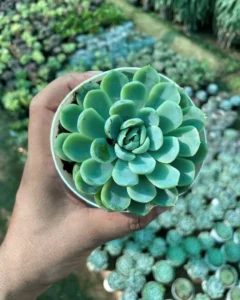
succulents plants

Succulents are the champions of tabletop greenery. Their thick, fleshy leaves retain water, making them incredibly easy to care for. With varieties like Echeveria, Haworthia, and Aloe Vera, they’re both stylish and functional.

Light: Bright, indirect sunlight
Water: Once every 2–3 weeks

2. Air Plants (Tillandsia)

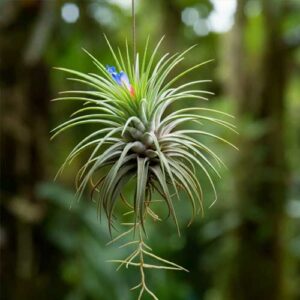
Air Plants (Tillandsia)

Air plants are unique and eye-catching. They don’t need soil to grow, which makes them perfect for creative displays in glass terrariums or decorative holders.

Light: Bright, indirect light
Water: Mist 2–3 times a week or soak weekly

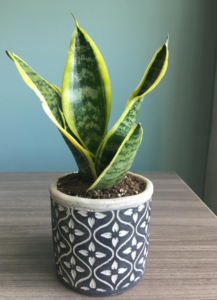
3. Mini Snake Plant (Sansevieria)

Mini Snake Plant

Also known as the “mother-in-law’s tongue,” the mini snake plant is a hardy, vertical-growing plant that thrives on neglect.

Light: Low to bright indirect light
Water: Every 2–3 weeks

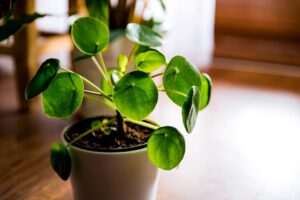
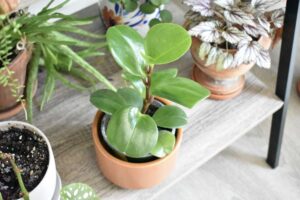
4. Pilea Peperomioides (Chinese Money Plant)

Pilea Peperomioides

Pilea Peperomioides, known as the Pilea or Chinese money plant. Green houseplant in the pot on wooden floor

With its round, coin-like leaves, the Chinese Money Plant is charming and compact. It’s believed to bring good fortune and positive energy.

Light: Bright, indirect light
Water: Once a week

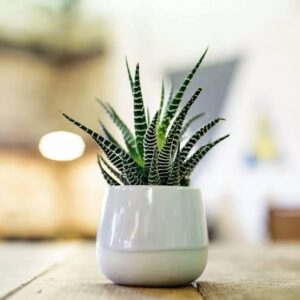
5. Zebra Haworthia

Zebra Haworthia

This striking succulent has white horizontal stripes across its spiky green leaves. It’s compact, stylish, and ideal for small spaces.

Light: Bright, indirect sunlight
Water: Every 2–3 weeks

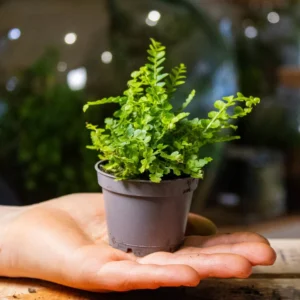
6. Miniature Ferns

miniature ferns

Ferns like the Maidenhair or Button Fern add a touch of elegance to any tabletop with their soft, feathery fronds. They’re perfect for shadier spots.

Light: Low to medium light
Water: Keep soil moist, but not soggy

7. Baby Rubber Plant (Peperomia obtusifolia)

Miniature Ferns

Compact and glossy, the baby rubber plant is a desk-friendly beauty. Its thick leaves store water, making it a resilient pick.

Light: Medium to bright indirect light
Water: Every 1–2 weeks

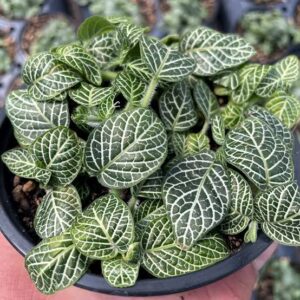
8. Fittonia (Nerve Plant)

Fittonia

Known for its vividly veined leaves, Fittonia is a great option for adding a pop of color to your workspace.

Light: Low to medium light
Water: Keep soil consistently moist

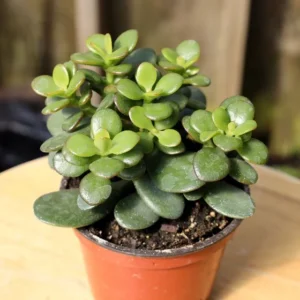
9. Mini Jade Plant (Crassula ovata)

Mini Jade Plant

This lucky plant features rounded, glossy leaves and a miniature tree-like form that adds character to any tabletop.

Light: Bright, indirect light
Water: Every 2–3 weeks

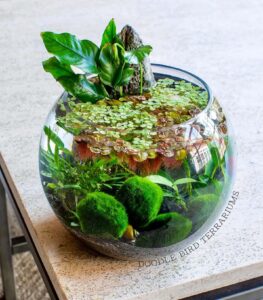
10. Moss Ball (Marimo)

Moss Ball (Marimo)

These fuzzy aquatic “plants” are actually algae, but they make for a unique, low-maintenance desktop addition when placed in a glass bowl of water.

Light: Low to medium indirect light
Water: Change water every 2 weeks

Essentials of Outdoor Gardening

Transform Your Outdoor Space: A Complete Guide to Starting and Maintaining a Home Garden

Looking to bring a bit of nature closer to home? Outdoor gardening is a beautiful way to reconnect with nature, reduce daily stress, and elevate your home’s curb appeal. Beyond its visual charm, gardening is a therapeutic activity proven to improve both mental and physical well-being.

Starting a home garden is more than just planting seeds — it’s about cultivating an environment that thrives through every season. Whether you’re setting up your first garden bed or expanding your green space, the right gardening tools and supplies are essential to your success.

Let’s explore how to get started and what essentials you’ll need to maintain a flourishing garden.


🌱 Choosing the Best Gardening Supplies for Your Home Garden

Setting up a successful garden starts with having the right gear. The correct gardening equipment can make every task — from digging and planting to pruning and watering — easier and more efficient.

Essential Garden Tools You’ll Need:

  • Hand Trowels and Spades: Ideal for planting and transplanting

  • Pruners and Shears: For trimming shrubs and encouraging healthy growth

  • Gardening Gloves: Protect your hands from thorns and soil-borne bacteria

In addition to tools, choosing the right soil mix, fertilizers, and containers is key to giving your plants the best start.

🏡 Tip: Think about your local climate and the size of your outdoor area. Small-space gardeners can benefit from vertical gardening solutions like wall planters or hanging baskets, while those in colder regions may want to consider cold frames to extend their growing season.


🛠️ Must-Have Gardening Tools for Year-Round Maintenance

Keeping your garden healthy requires a bit of ongoing attention. Below are the must-haves for every garden toolkit — designed to support growth, control pests, and improve plant vitality.

1. High-Quality Soil & Organic Fertilizer

Invest in nutrient-rich soil that matches your plant types (e.g., vegetable soil, potting mix). Use organic compost or fertilizers to promote strong roots and chemical-free produce.

2. Eco-Friendly Pest Control

Skip the harsh chemicals. Instead, use natural pest deterrents, such as neem oil, insecticidal soap, or homemade garlic sprays, to protect your plants and preserve local biodiversity.

3. Watering Essentials

Tools like drip irrigation systems or soaker hoses deliver water directly to plant roots, conserving water and promoting deep growth. A sturdy watering can is also a must-have for small gardens.

4. Durable Garden Tools

Sharp pruners, weeding tools, and ergonomic handles make maintenance less of a chore and more of a pleasure. Regularly clean and sharpen your tools to extend their life and prevent disease spread.

5. Mulch for Moisture & Weed Control

Organic mulch (like bark, straw, or compost) locks in moisture, reduces weeds, and enriches your soil over time. It also adds a clean, finished look to garden beds.

6. Lawn Mower for Neat Landscaping

A well-manicured lawn boosts your garden’s aesthetic and prevents weeds from invading flower beds. Choose a mower suited to your lawn size and terrain for best results.


🌼 Expert Gardening Tips for a Thriving Outdoor Space

To make the most of your gardening journey, follow these proven strategies for consistent results and lasting beauty.

1. Monitor for Pests and Diseases

Regular inspections help catch problems early. Remove infected plants, use organic remedies, and keep your garden clean to minimize issues.

2. Water Wisely

Overwatering can be just as harmful as underwatering. Focus water at the root zone and adjust based on the weather and soil type.

3. Apply Mulch Regularly

Mulch helps regulate soil temperature, retains moisture, and suppresses weed growth — a triple win for any gardener.

4. Use Crop Rotation in Vegetable Gardens

Rotating crops yearly prevents soil nutrient depletion and reduces pest and disease buildup, especially in raised garden beds.

5. Maintain Your Tools

Clean, sharpened tools work better and reduce plant stress. Store tools in a dry space and oil them occasionally for long-term use.

6. Nourish the Soil

Feed your soil as much as your plants. Add organic matter like compost, leaf mold, or aged manure to improve structure and fertility.


🌿 Make Gardening a Lifestyle

Gardening isn’t just a weekend hobby — it’s a long-term investment in your home and well-being. With the right garden supplies, tools, and maintenance habits, you can transform any outdoor area into a green oasis full of color, life, and joy.

Whether you’re growing vegetables, herbs, flowers, or all three, a well-planned garden becomes more rewarding with time. Be patient, stay consistent, and enjoy the journey of watching your outdoor space evolve.

Start today, and let your garden become your daily dose of peace, purpose, and beauty.

Best Flowering Plants for Homes

Best Flowering Plants for Homes

Best Flowering Plants for Homes Please remember that a lot of these flowering plants can also be grown indoors but flourish effortlessly when kept fully or partially outdoors. Where you place them, in the end, is completely up to you!

1. Peace Lily

Peace Lily

The Peace Lily is one of the best flowering plants for home gardens. Often considered the elegant queen of indoor plants, it thrives in lower light conditions with its lush green foliage. However, to bloom from late winter through summer, it requires bright, indirect light or a few hours of direct sunlight. Besides its beauty, the Peace Lily is also an excellent air purifier. It prefers its topsoil to dry out slightly between waterings—but not too much. For healthy growth, fertilize every three weeks using both root application and foliar spray.

2. Anthurium

Anthurium

Also known as the Flamingo Plant, the Anthurium gets its name from its vibrant, eye-catching blooms, as bold and lively as flamenco dancers. It thrives in bright, indirect light and does especially well on windowsills with ample natural light. One of its standout features is its long-lasting flowers, which can bloom for over 250 days a year, with each bloom lasting for months. To keep it healthy, maintain moist but not soggy soil and fertilize every 2-3 weeks throughout the year.

3. Gloxinia

Gloxinia

A true indoor beauty and one of the best flowering plants for your home, this plant thrives in bright, indirect light but cannot tolerate direct sunlight. Place it in a well-lit room near a south or west-facing window for the best results. Keep the soil consistently moist, but be careful not to wet the leaves, as this can cause unsightly brown spots. After blooming, allow the plant to dry out—during colder months, it will go dormant, only to reawaken and bloom again when the weather warms up.

4. African Violet

African Violet

Another true indoor plant that thrives in indirect light is found indoors. These velvety plants are a treat for sore eyes. Keep them indoors in well-lit rooms out of the direct sun to avoid burn on north or east-facing windowsills. Let the soil dry out completely in between waterings and fertilize every three weeks and also spray it with neem oil once a month. Avoid wetting the velvety foliage.

5. Orchid

The oriental queens are dreaded and loved by home gardeners in equal measures. They love bright indirect light and a potting mix that is kept evenly moist. The trick to keep your orchids happy is to give them a fixed spot that is well-lit and well-ventilated. Always use an orchid potting mix and fertilize when the plant is not in bloom to help with leaf and root development.